

Brain Friends
Stroke science, prevention, and recovery made clear, with survivors and community at the center.
After my stroke, I needed clear information and people who understood. In support groups and research labs, I found the understanding I had needed in those early days. Brain Friends is my way of bringing that support to others through lived experience, useful science, and community. It is how I advocate, one conversation at a time.
Medical confusion, turned into everyday clarity.
Brain Friends brings researchers, clinicians, survivors, care partners, and community voices into plainspoken conversations about stroke, aphasia, brain health, prevention, and recovery. The show is survivor-led and respects the intelligence of people living with aphasia.
No medical advice. No empty inspiration. Just science made clearer, a recovery road less lonely, and a next step easier to see.
A stroke is the last stop. Not the first.
Brain Friends grew up on recovery. Now prevention is the front door. We talk about blood pressure, risk factors, warning signs, and secondary prevention. When prevention comes too late, we talk recovery honestly and without judgment.
Prevention
Brain health and the risks we can understand before a crisis.
Recovery
Stroke, aphasia, neuroplasticity, and practical life after discharge.
Community
Survivor and care-partner perspectives beside clinical and research expertise.
Start with neuroplasticity.
Begin with the science of how the brain adapts after injury, then explore conversations on prevention, aphasia, recovery, and brain health.
Brain Recovery After Stroke: Going Deeper on Neuroplasticity with Dr. Roy Hamilton
A plainspoken conversation about what neuroplasticity means, what research can tell us, and how it connects to recovery after stroke.
Open episode on BuzzsproutBuilt in community. Carried far beyond it.
Survivors & people with aphasia
Real talk about recovery and what comes next.
Care partners
Language and understanding for everyone walking alongside.
Clinicians, students & researchers
Patient voice and research made practical.
Dr. Davetrina Seles Gadson
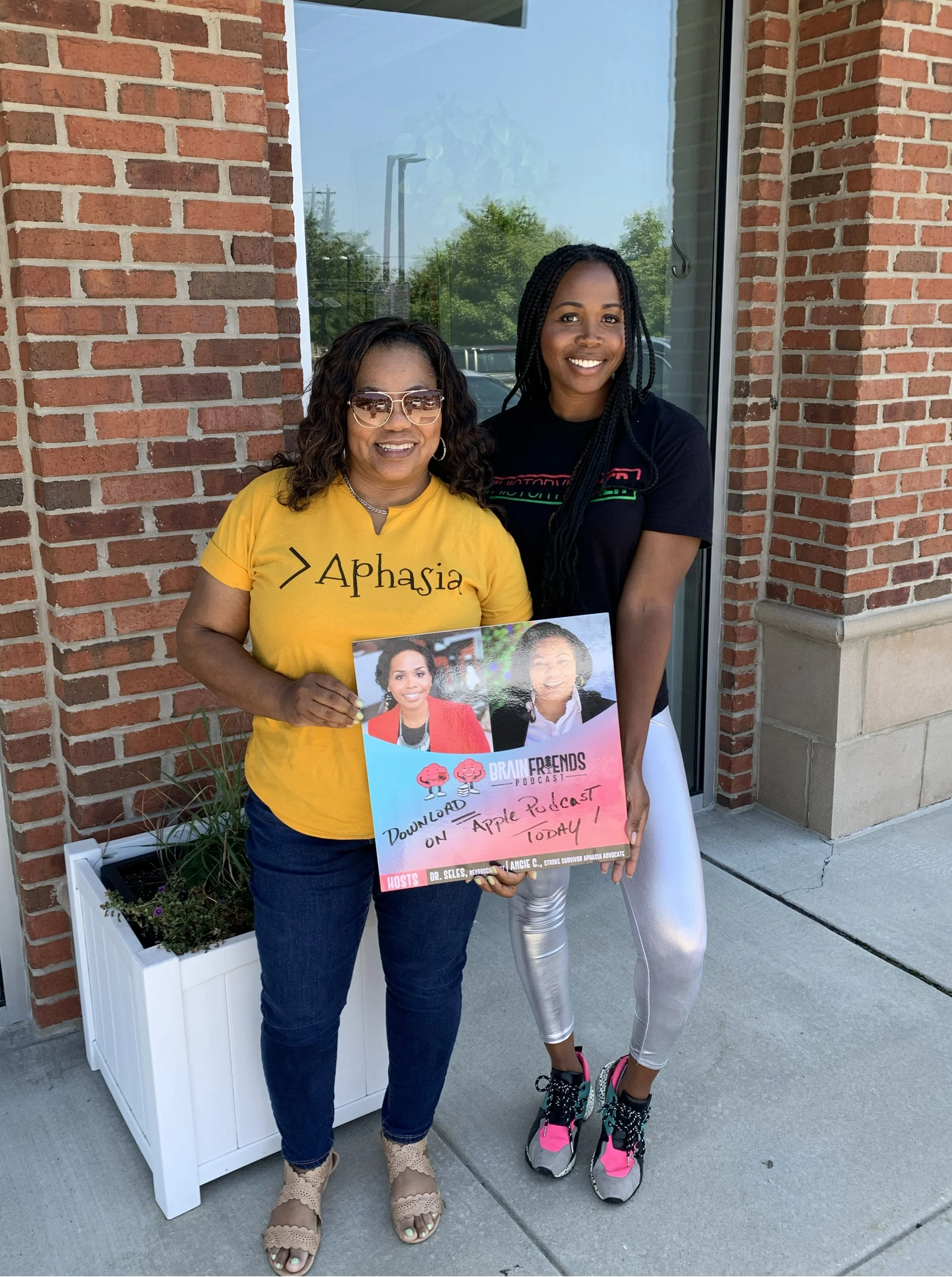
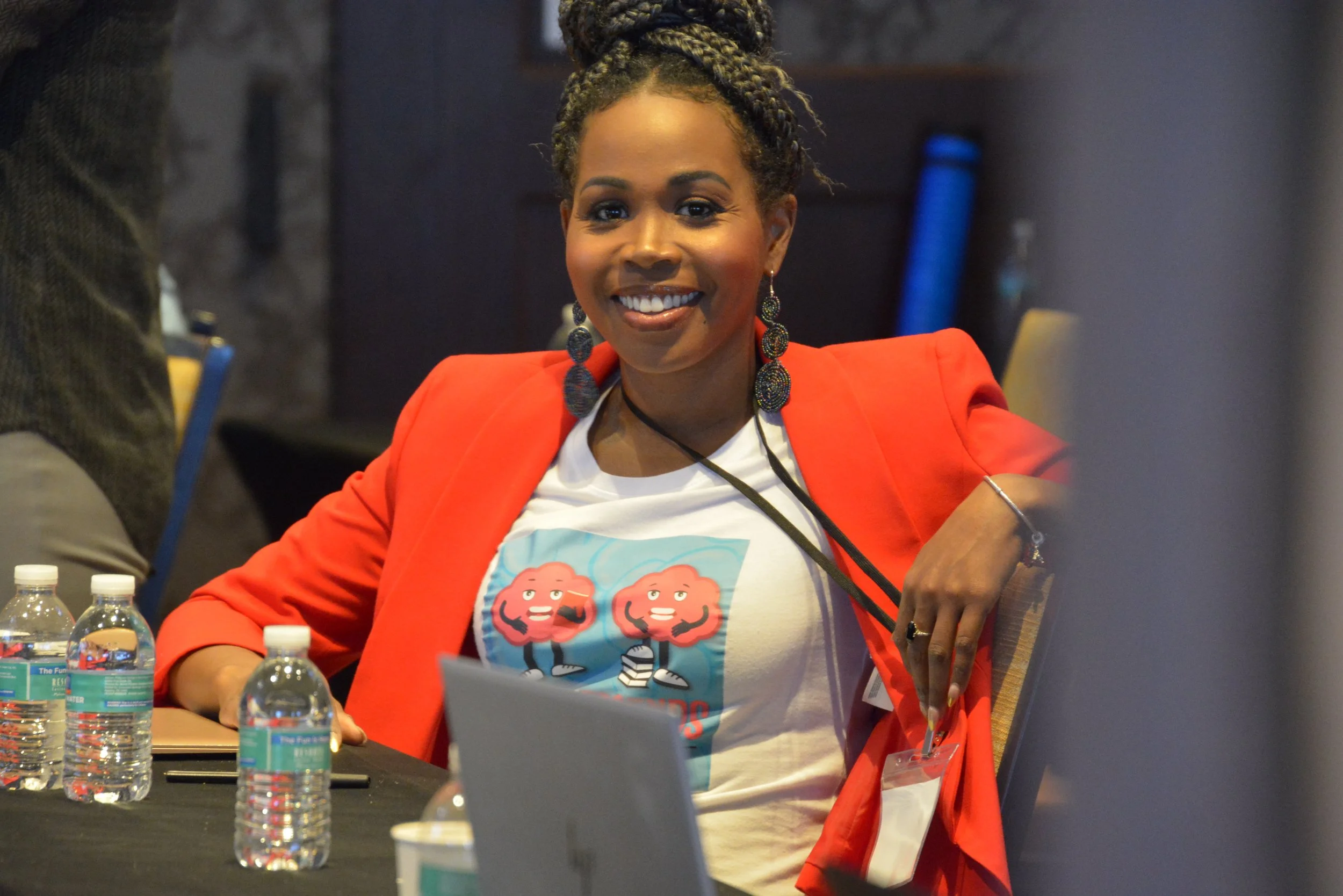
Brain Friends began with a phone call between two friends: Angie Cauthorn, a survivor learning to live with aphasia, and Dr. Davetrina Seles Gadson, a neuroscientist and speech-language pathologist who believed lived experience belonged beside the science.
Together, they built a show rooted in friendship, plain language, community, and equity in aphasia care. Her fingerprints are on every episode.
Help trusted brain health information reach people looking for it.
We welcome aligned partners who support clear, accessible conversations on stroke prevention, recovery, aphasia, and brain health. Sponsorship supports production and reach while Brain Friends retains editorial judgment, guest selection, and the integrity of the conversation.
Brain Friends offers education and conversation, not individual medical advice.